
Why good briefs are so difficult to write.
Most organizations assume briefing is an administrative task. In reality, writing a strong brief requires resolving uncertainty, aligning priorities, and making strategic decisions that many teams have not yet made.

Revision hell is not a design problem. It's a translation problem.
Revision hell rarely starts in the design file. It starts when multiple people leave the same meeting believing they agreed — while imagining entirely different outcomes.
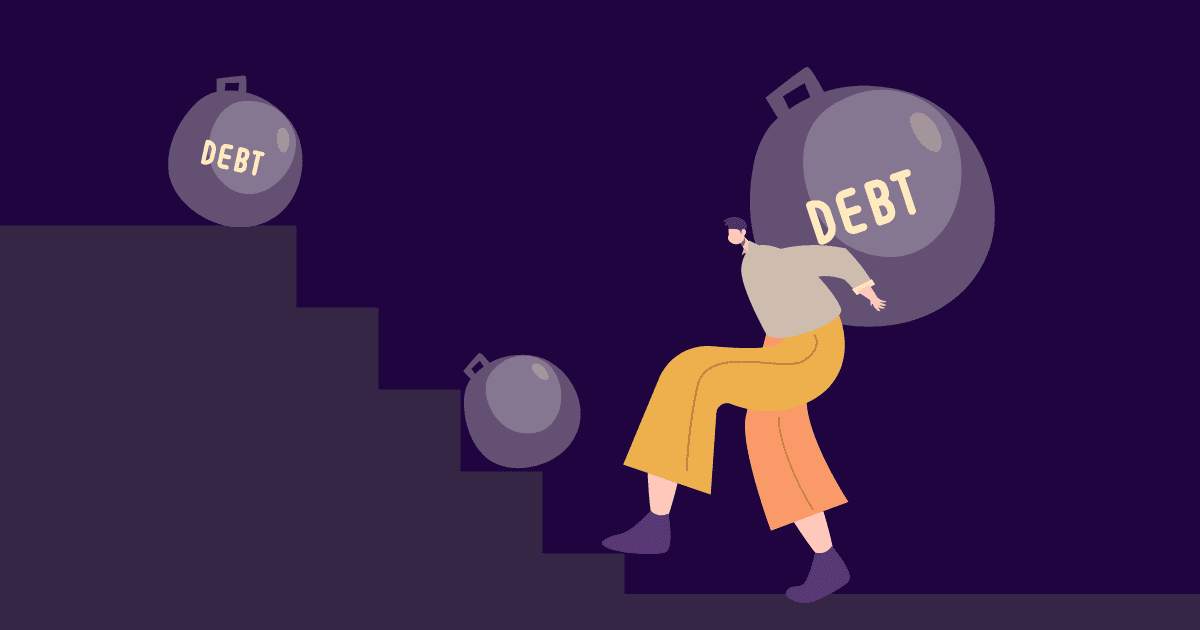
Why agencies pay for Brief Debt™ they didn't create
Most project delays aren't caused by poor execution. They begin much earlier, when ambiguity enters the project and remains unresolved.
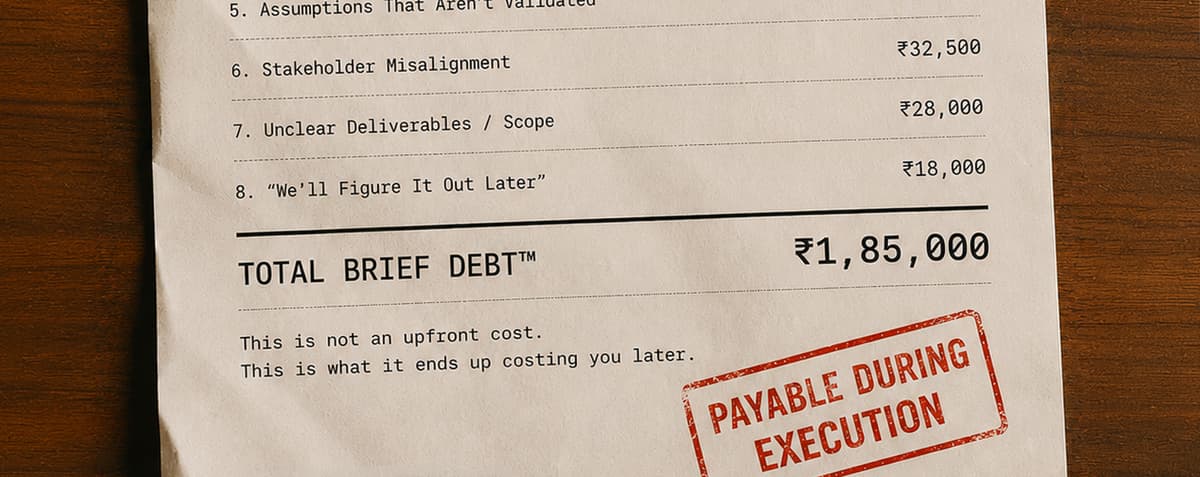
What is Brief Debt™? The hidden cost of unanswered questions
You don't pay for a bad brief upfront. You pay for it later—in revisions, delays, rework and stakeholder disagreements.
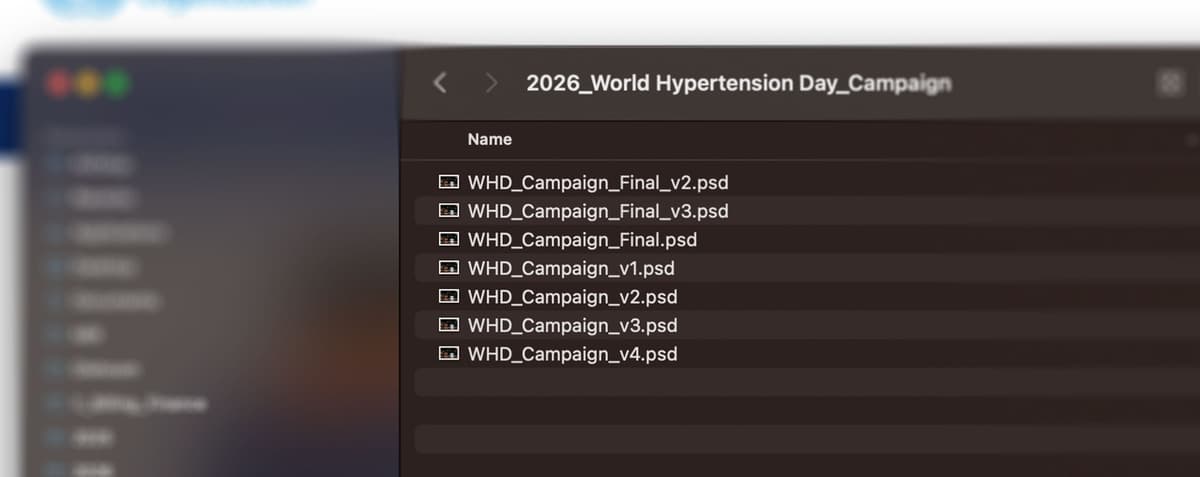
Why Your Last Brief Failed?
Bad briefs don't announce themselves. They feel fine in the room. Here's how to spot them before design starts.

Bad Briefs are expensive, just not on paper
Where the hidden costs of unclear briefs actually show up, and why teams keep paying them.

What Makes a Brief Actually Work?
Wrong briefs cost you time, money, and sanity. Here's how to fix that.