Why agencies pay for Brief Debt™ they didn't create
When a project starts slipping, most teams look at execution.
They examine timelines, workloads, approval processes and delivery schedules. Sometimes those factors are responsible. Often, however, they are only symptoms of a problem that entered the project much earlier.
Many delays begin before the first piece of work is produced.
They begin when important questions remain unanswered.
A target audience is loosely defined. Success criteria are never fully agreed upon. Stakeholders leave a meeting believing they share the same understanding when, in reality, they are operating from different assumptions.
The project moves forward because everything appears aligned.
The cost of that ambiguity only becomes visible later.
Delays are usually a symptom, not the cause
When work is reviewed, hidden assumptions surface.
One stakeholder expected a different audience. Another had a different interpretation of the objective. Someone introduces feedback based on information that was never included in the original brief.
The result is another round of revisions.
At this stage, the work is often blamed. Yet the work is simply exposing questions that were never fully resolved.
The revision is not the problem.
The revision is evidence of the problem.
Every revision is s search for clarity
Teams often describe revisions as part of the creative process.
Some revisions are valuable. They improve ideas, strengthen execution and refine outcomes.
Others exist for a different reason.
They exist because the team is still trying to establish a shared understanding of what success looks like.
Questions that should have been answered before work began are answered during feedback instead.
That is an expensive way to create alignment.
The hidden path from ambiguity to delay
Project delays often follow a predictable pattern.
A missing answer becomes an assumption.
An assumption creates different interpretations.
Different interpretations create misalignment.
Misalignment creates revisions.
Revisions create delays.
Delays create cost.
Missing Answer → Assumption → Misalignment → Revision → Delay → Cost
By the time the delay becomes visible, the original source of the problem is often forgotten.
Why the same problems keep repeating
One reason these issues persist is that the briefing and the consequences are separated by time.
The brief is written today.
The revisions appear weeks later.
When the project encounters friction, attention naturally shifts to the immediate issue rather than its origin.
Teams blame timelines, stakeholders, creative execution or approval processes because those are the problems they can see.
The ambiguity that created the situation has already faded into the background.
This makes the cycle difficult to break.
Brief Debt™ and the cost of unanswered questions
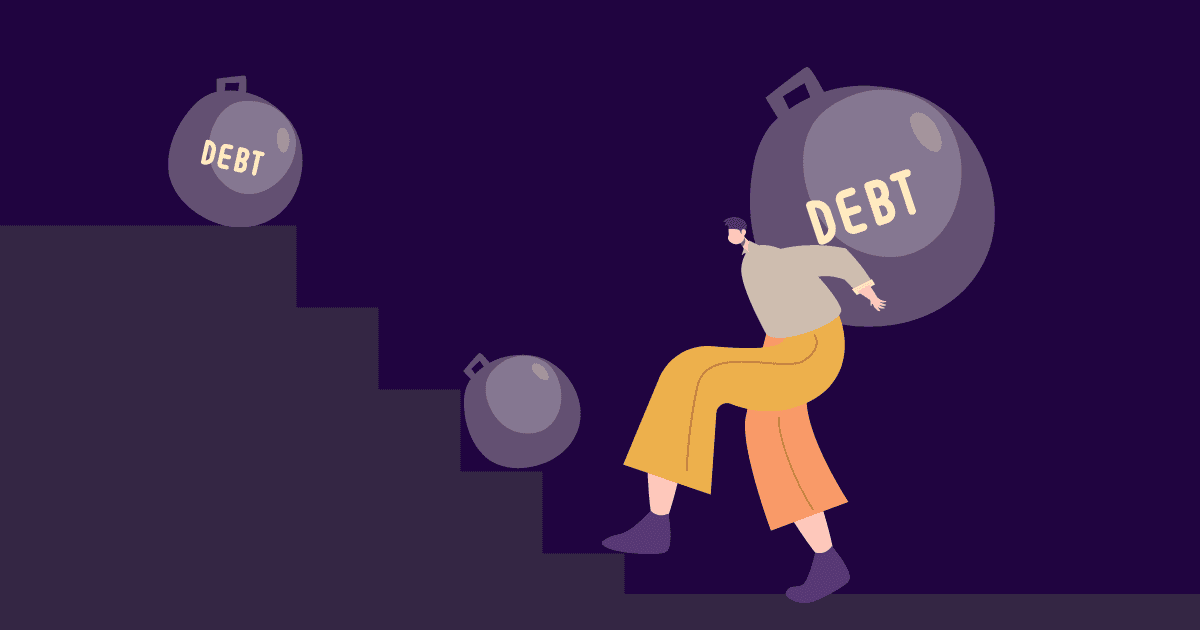
We use the term Brief Debt™ to describe the accumulated cost of ambiguity, assumptions and missing information that enters a project before work begins.
Like any form of debt, the cost compounds over time.
A small gap in understanding may seem insignificant at the start of a project. Left unresolved, however, it creates additional effort, additional conversations and additional revisions later.
The longer it remains unaddressed, the more expensive it becomes.
The cheapest time to fix a problem
Most teams discover ambiguity during execution.
By then, the project has already invested time, effort and budget.
The cheaper option is to identify those gaps before work begins.
That doesn't require longer briefs. It requires clearer ones.
GudBrief was built around a simple idea: the cheapest time to fix a problem is before the project starts.
By helping teams identify ambiguity, gaps and weak assumptions early, GudBrief helps reduce Brief Debt™ before it becomes costly rework.